
Understanding the psychology behind gambling behavior What drives high-stakes decisions
The allure of risk-taking
Risk-taking is a fundamental aspect of human behavior, often associated with excitement and the potential for reward. In gambling, the adrenaline rush experienced when placing high-stakes bets is a primary driver for many individuals. This heightened state of arousal can lead to impulsive decisions, where the prospect of winning overshadow the rational thought process associated with potential losses. Many players, while seeking thrills, find themselves drawn to australian online casinos where the stakes can be particularly high.

The psychological thrill of gambling can also be linked to the idea of “loss chasing,” where players continue to wager in hopes of recovering previous losses. This behavior often creates a cycle of increasing bets and risky decisions, further entrenching the gambler in their pursuit of victory, despite the growing odds against them.
Emotional influences on gambling
Emotions play a pivotal role in gambling behavior, significantly impacting decision-making processes. Many gamblers report feelings of euphoria when winning, which can be intoxicating and lead to continued play. Conversely, losses can evoke frustration and desperation, prompting individuals to double down on their bets in hopes of a turnaround.
This emotional rollercoaster can create a dependency on gambling as a source of excitement and emotional relief. For some, it becomes a coping mechanism to manage stress or anxiety, showcasing how deeply intertwined psychological needs are with gambling behavior.
The impact of social factors
Social influences can greatly affect gambling behavior, especially in high-stakes environments. Group dynamics, peer pressure, and social validation can encourage individuals to engage in gambling activities that they might otherwise avoid. The environment created by fellow gamblers can enhance the thrill, leading to higher stakes and riskier decisions.
Furthermore, social media and online communities have amplified this phenomenon. Gamblers can easily share experiences and celebrate wins or commiserate over losses, creating a sense of belonging that reinforces gambling habits. This interconnectedness can lead to increased participation in gambling, elevating the stakes involved.
The role of cognitive biases
Cognitive biases are mental shortcuts that influence decision-making and can significantly impact gambling behavior. For example, the illusion of control leads many gamblers to believe they can influence the outcome of games of chance. This belief fosters an overconfidence in their abilities, often driving them to take greater risks.
Additionally, the availability heuristic can lead gamblers to focus on recent wins rather than considering their overall performance. This skewed perception can result in poor decision-making, as players may overlook the reality of their losses while fixating on their victories, further perpetuating the cycle of gambling.
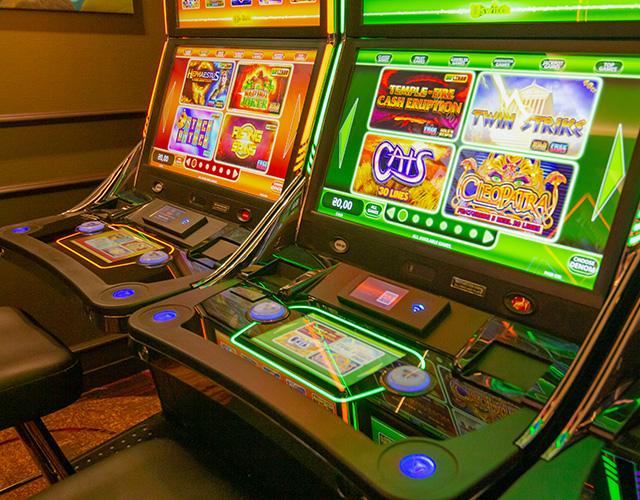
Understanding gambling behavior on digital platforms
In today’s digital age, online gambling has become increasingly prevalent, changing the landscape of gambling behavior. Websites often employ various psychological strategies to enhance user engagement, such as bonuses and gamification elements that make gambling more enticing.
Platforms like Bot Verification are crucial in this context, ensuring that interactions on gambling sites are secure and genuine. By protecting users from automated bots and spam, such services contribute to a safer and more trustworthy gambling environment, allowing individuals to engage responsibly and make informed decisions about their gambling activities.